
A dedicated team, working only on your product.
A self-contained group with a lead, delivering against a roadmap. You set the direction; the team's own lead runs the day to day.
- 50+
- In-house engineers to draw on
- Own lead
- Runs the team day to day
- Quarterly
- Commitment
- UTC+5
- Lahore, UTC+5
When a dedicated team is the right call
The work runs for months and you would rather not manage it day to day. If you would rather direct each engineer yourself, extending your team is the better fit.
You set the direction
The roadmap and priorities are yours. The team's lead turns them into work and reports progress against them.
We run the day to day
Planning, standups and the people side stay with us, so nobody on your side has to manage the team task by task.
Extending your team instead
If you already have someone to lead the work, our engineers can join your team directly.
Read moreWho can be on the team
The roles the team is drawn from. We agree the shape with you before anyone starts.
Senior software engineers
Full-stack web work: a feature nobody has had time to start, a service that needs rewriting, a codebase whose original author has left. Comfortable being handed a repository and a ticket rather than a specification.
Frontend engineers
The half of the product a user actually touches. Component libraries that stay consistent past the third contributor, state that survives a back button, and the accessibility and performance work that never makes it onto a roadmap on its own.
Backend engineers
APIs, jobs, schemas and the integrations that hold a business together. Brought in when a query has started timing out, a third-party webhook cannot be trusted, or a schema that fitted the first thousand rows no longer fits.
Mobile engineers
iOS and Android from one codebase, plus the parts teams usually discover late: offline behaviour, push delivery, store review, and the build pipeline that gets a release out without a manual step.
AI engineers
Retrieval over your own documents, model evaluation that produces a number rather than an impression, and the unglamorous work of getting a prototype to behave on real inputs.
Data engineers
Getting data out of somewhere awkward and into somewhere useful: collection at scale, the pipeline that cleans and reconciles it, and reporting a finance team will trust enough to act on.
DevOps engineers
Containers, pipelines and environments. Usually brought in when deploying is a person following a checklist, and needs to be a command instead.
SQA engineers
Automated coverage for the paths that actually break, a suite that runs in CI, and regression testing before a release rather than a bug report after one. Load and stress work where the question is what happens at ten times the traffic.
UI/UX designers
Interface and flow for teams with engineers but no designer. Research and wireframes where the problem is still open, a design system where it is not, and a handover in your file and your components rather than a picture of them.
E-commerce engineers
Storefronts, themes and checkout. Payment and delivery methods that match how your customers actually pay, and the merchandising and speed work that decides whether a catalogue converts.
Business analysts and delivery managers
The person who turns a stakeholder conversation into tickets an engineer can start on. Requirements, acceptance criteria and a release plan, for teams whose engineering capacity is not the thing that is short.
Your code, your team
What stays with you, whatever the size of the team or the length of the work.
The code is yours
Intellectual property is assigned to you in the contract, not on completion of a milestone. Work in your repository stays in your repository.
You set the work
Your backlog, your priorities, your definition of done. We do not run a parallel plan or ask you to route requests through an account manager.
We are the employer of record
Salary, tax, equipment, leave and the employment relationship stay with us. You are contracting for capacity, not taking on a headcount liability in Pakistan.
Nobody is shared
An engineer on your team is on your team. They are not split across three clients and billed to each as full time.
Working hours. A normal working day here covers the Gulf and East Africa end to end, and runs alongside the UK and Western Europe from their morning into the early afternoon. Where a team needs more overlap than that, engineers move their hours to get it.
How the team is put together
The same steps as for a single engineer, with every person on the team chosen and interviewed by you.
- 0145 minutes
A call
What you are building, what the codebase looks like, which seniority you actually need. An engineer is on this call, because the questions worth asking are technical ones.
- 023 working days
Profiles
CVs of people who are genuinely free, with their rate on them. If nobody on the bench fits, we say so on the call instead of sending three near-misses.
- 03Your schedule
You interview
Your team, your technical interview, your decision. We do not present a single candidate and call it a shortlist.
- 042 to 3 days
Paperwork
Contract, NDA and IP assignment. Standard documents, and we will work from yours if your legal team would rather.
- 05Week one
First sprint
Access, environment, and a ticket closed in the first week. Small and real, so both sides find out early how the working relationship runs.
Products we have delivered
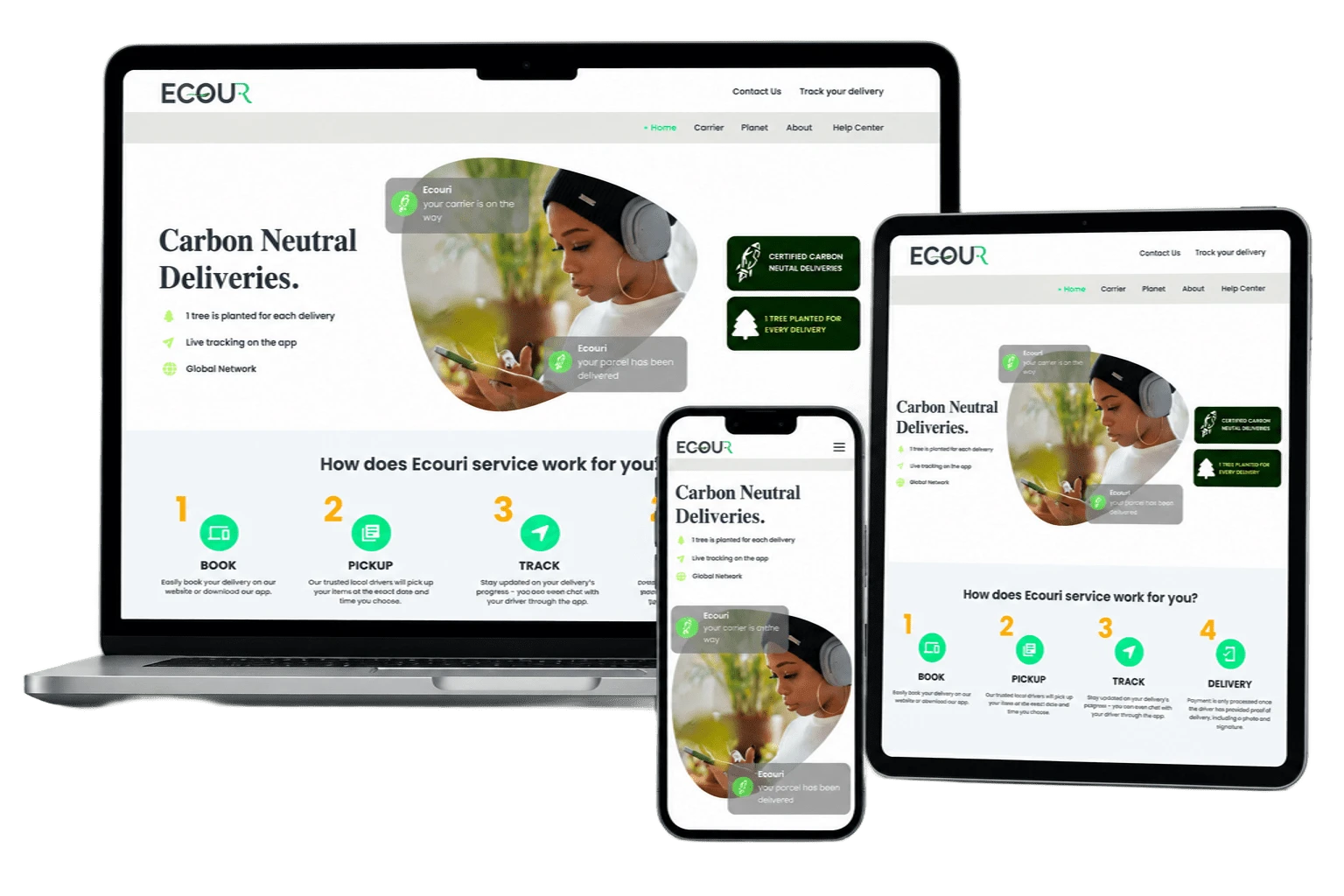
A SaaS product for a US startup, a delivery network and a government ERP.




Questions about dedicated teams
With staff augmentation our engineers join your team and you direct them day to day. A dedicated team is a self-contained group with its own lead that delivers against your roadmap, so you set the direction without managing each task.
Working with a team abroad for the first time? Read how outsourcing to Pakistan works.
Describe the roadmap, and we will suggest the team
Tell us what you need built over the next few months. We will come back with a team shape and profiles, rates included.
